
Last updated on
Dinner Rolls
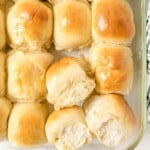
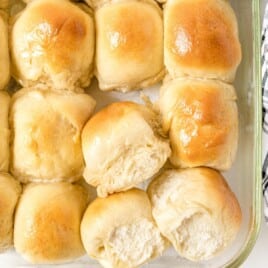
These old-fashioned, fluffy, homemade dinner rolls are the perfect companion to any main dish.
Jump to RecipeTable of Contents

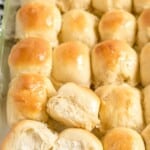
Our homemade dinner rolls come fresh out of the oven light, soft, and buttery - exactly the way dinner rolls should - and they're way easier to make than you think.
This basic dinner roll recipe can be made in just over an hour, which makes it easy enough for any family dinner or holiday meal, even when you’re rushing to get everything else done.
MORE RECIPES YOU'LL LOVE: Balsamic Glazed Steak Rolls | Easy to Make Cornbread Side Dish Recipe | Thanksgiving Side Dishes
Dinner Rolls Recipe Overview:
Time: Prep - 10 minutes | Rise - 1 hour | Bake - 15 minutes
Yield: 20 Dinner rolls
Equipment: Stand mixer, baking dish
Main Ingredients: Flour, butter, yeast, egg, milk
🥣 This recipe calls for making the dinner rolls with your stand mixer, but you can easily make them by hand as well. Start by stirring the dough ingredients together in a large bowl. Once it's come together in a shaggy ball, knead the dough for 10-12 minutes.
Fluffy dinner rolls that practically melt in your mouth are likely to outshine any main dish. They will be awfully delicious whether you pair them with Crockpot Beef Stew or Creamy Chicken and Asparagus.
Ingredients For Dinner Rolls
The best dinner rolls only need a short list of ingredients, the majority of which are pantry staples including flour, sugar, and salt.
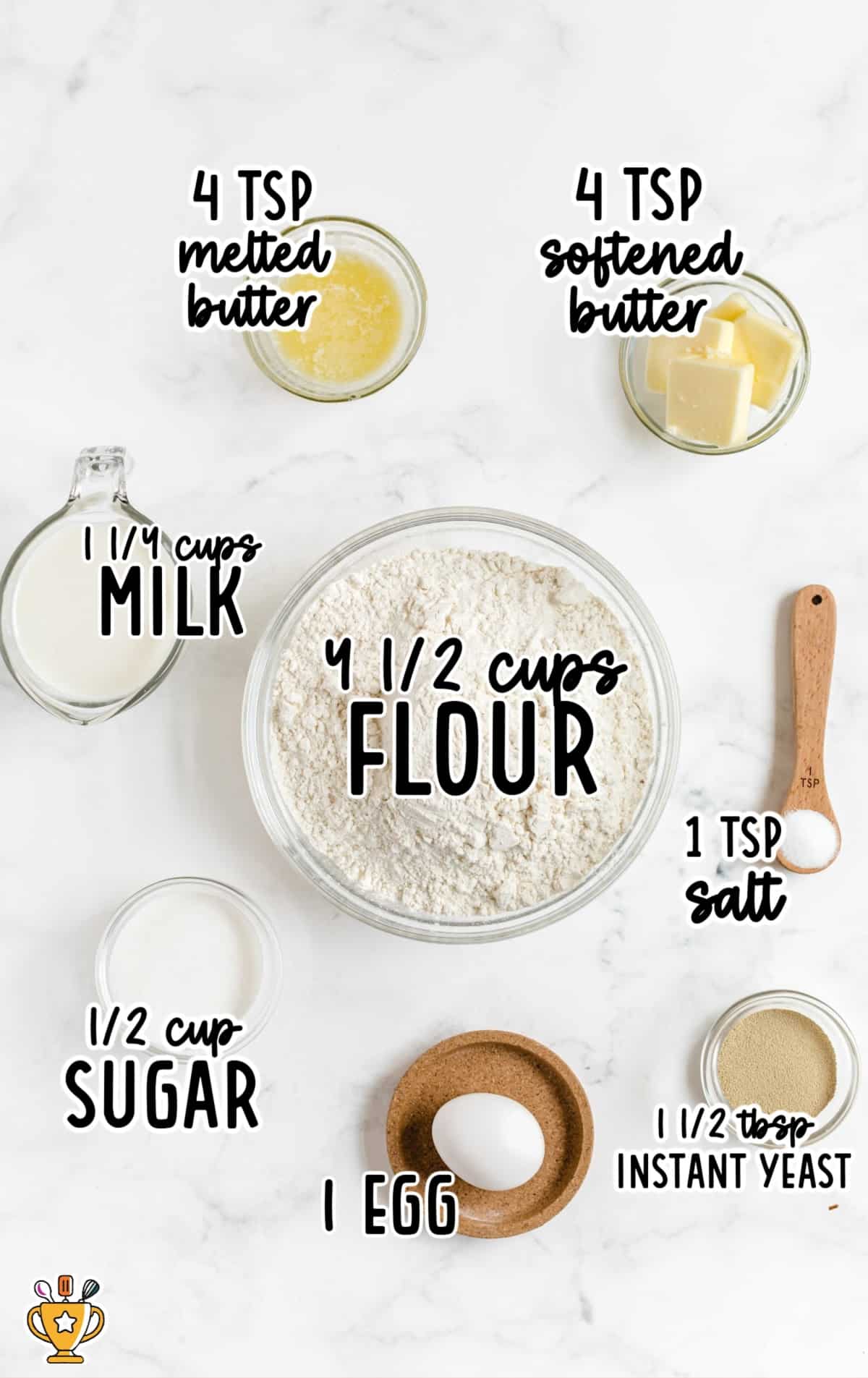
To make dinner rolls from scratch, you'll need:
- 4½ cups of all-purpose flour, divided into 3 cups and 1½ cups
- 1½ tablespoons of rapid-rise instant yeast
- ¼ cup of granulated sugar
- 1 teaspoon of salt
- 1¼ cups of warm milk, 110°F
- 4 tablespoons of butter, softened
- 1 egg, room temperature
- 2 tablespoons of butter, melted (for the top of the finished rolls)
👩🍳 While this recipe calls for instant dry yeast (which does not need to be proofed), you can also use active-dry yeast. If using active-dry yeast, combine the warm milk with 1 Tablespoon sugar and your yeast. Then whisk in the remaining sugar, salt, melted butter, and egg. Slowly add the flour ½ cup at a time.
Pro Tip
Make sure you are using instant yeast rather than active dry yeast for this recipe.
Instant yeast does not need to be activated (rehydrated) in warm water to bloom.
It can be added to a recipe directly from the package and will dissolve in the moisture of the dough.
How to Make Homemade Dinner Rolls
If you've been nervous about making homemade bread, don't be. Even the process of making dinner rolls can be broken down into three simple parts:
- Making the dough
- Shaping the rolls
- Baking them
FIRST STEP: Add 3 cups of the flour, yeast, sugar, and salt into the bowl of a stand mixer. Stir together.
Pour in the warm milk, and add the softened butter, and egg.
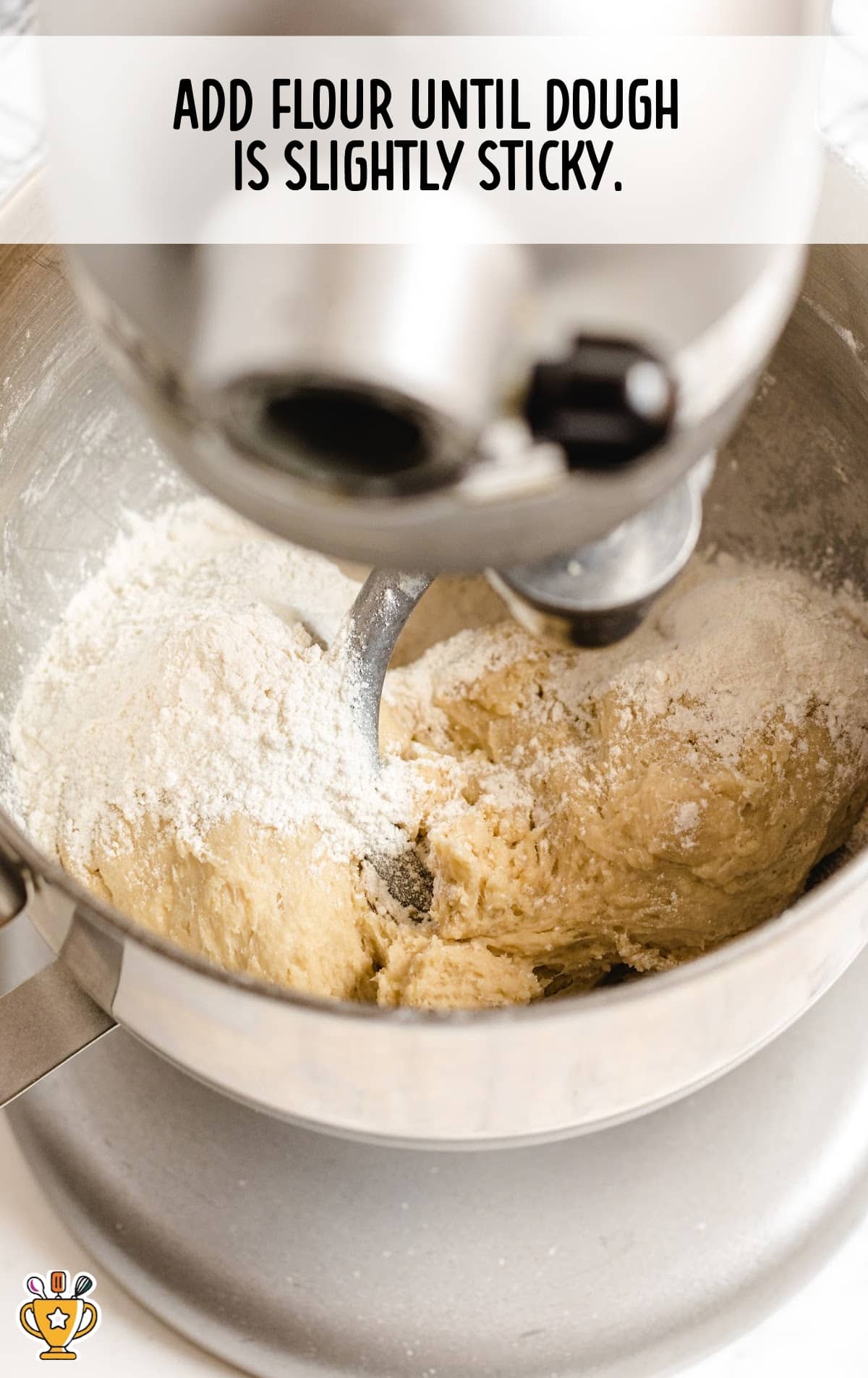
SECOND STEP: Attach the dough hook and turn the mixer on to the lowest speed. Mix until the flour is incorporated, scraping down the sides of the bowl as necessary.
THIRD STEP: Increase speed to medium and beat for 2 minutes.
FOURTH STEP: Add ½ cup of the flour and blend with the dough hook until incorporated.
And another ½ cup of the flour and repeat, mixing at medium speed for another 1-2 minutes until a ball of dough is formed.
Add up to ½ of the remaining flour until the dough ball is slightly sticky and pulling away from the sides of the bowl.
FIFTH STEP: Transfer the dough to a lightly greased bowl and cover with a towel and let rise for 30 minutes at room temperature.
SIXTH STEP: Remove the towel and deflate the dough by punching down lightly.

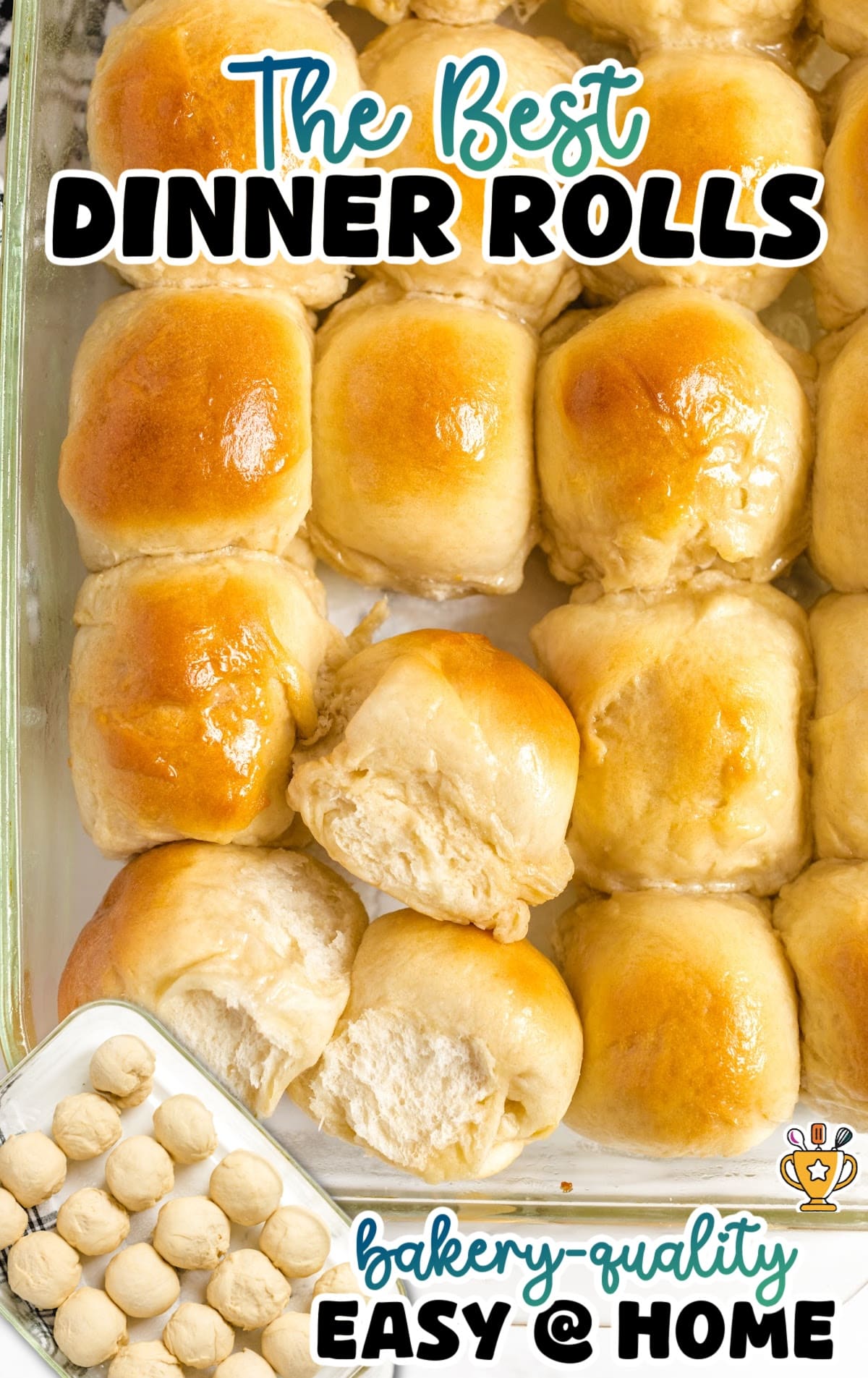
SEVENTH STEP: Pinch off pieces of the dough to form 20 equally sized dough balls.
EIGHTH STEP: Transfer the rolls to a lightly greased 9 x 13 baking dish. Cover with a towel and let rise for an additional 30 minutes at room temperature.
NINTH STEP: Preheat the oven to 375 degrees F. Bake the rolls for 15-17 minutes or until golden brown and cooked through. If the rolls are getting too brown, just tent the rolls with foil.
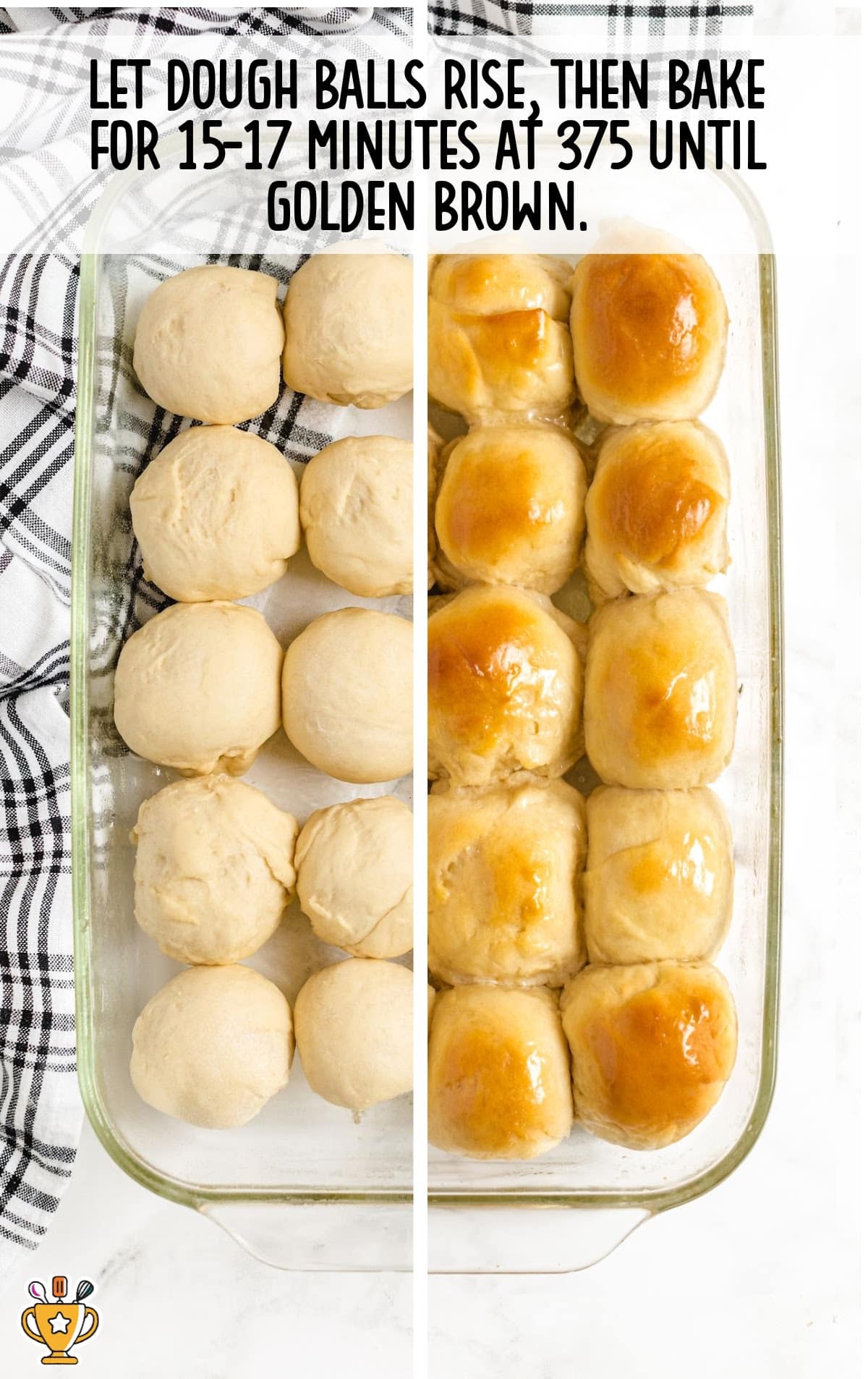
TENTH STEP: Remove the rolls and brush them with the melted butter. We like to serve these while hot!
Tips for Making Homemade Dinner Rolls From Scratch
Homemade bread is actually very forgiving, so if you're feeling nervous or like something is off, just keep going!
Here are the tips we've learned over years of baking fresh bread:
Make warm, not hot - Your milk should feel warm to the touch, like bath water. If it’s hot, let it cool. Yeast likes cozy, not scorching.
The dough should be soft and a little sticky - This is normal. If it feels slightly tacky but still holds together, you’re doing it right. Dry dough makes heavy rolls.
Don’t panic if it looks messy at first - Bread dough always looks rough in the beginning. Keep mixing or kneading and it will smooth out. We promise!
Let the dough rise until it actually doubles - Ignore the clock. Yes, in most cases it will take about 30 minutes, but the look of the dough is the real guage. Bigger and puffy is what you want.
Evenly size dough balls bake better - They don’t have to be perfect. Just try to make them roughly the same size so they bake evenly.
If the rolls touch, that’s good - That’s how you get soft sides and pull-apart rolls.
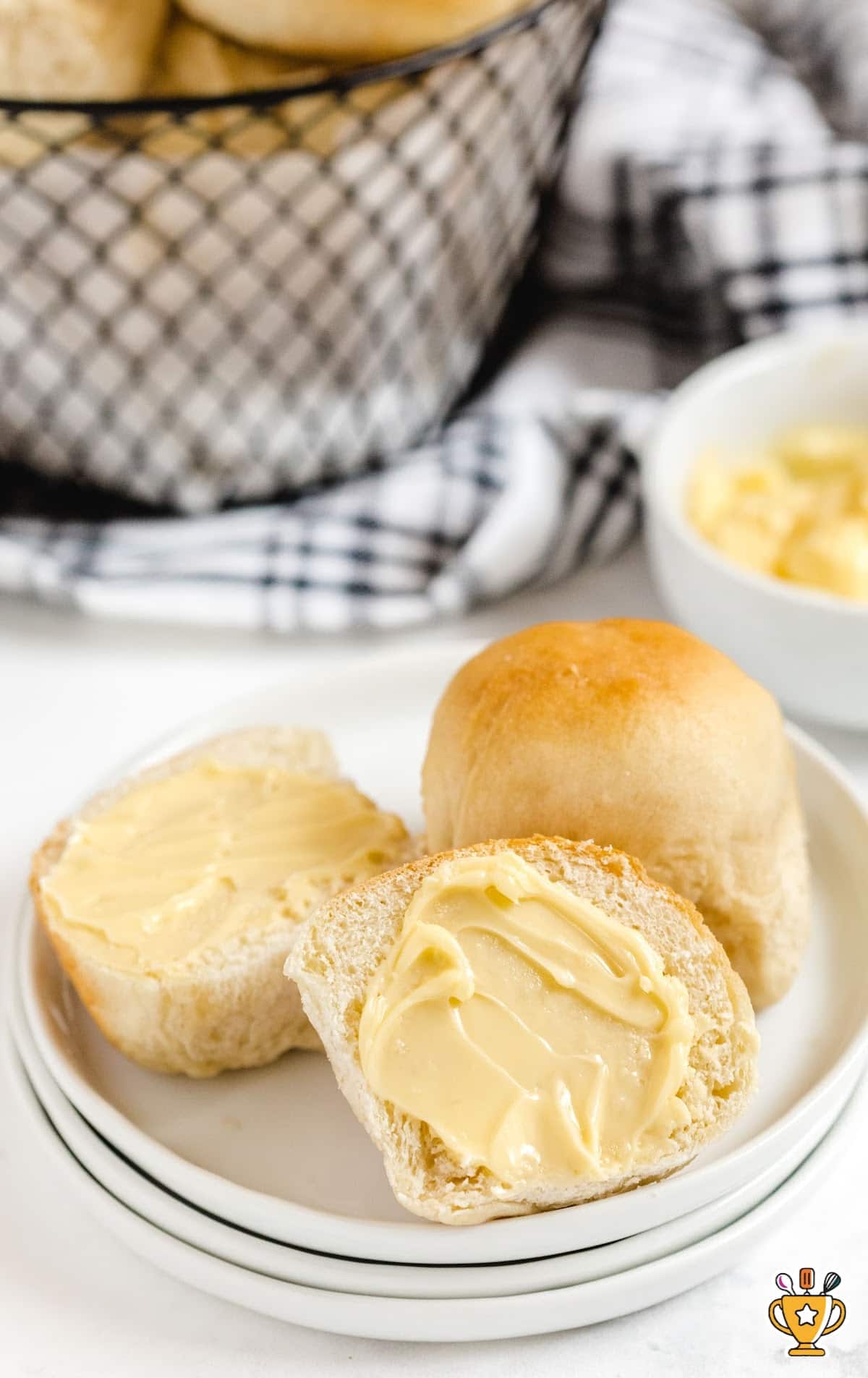
Butter fixes everything - Brush the rolls with butter while they’re hot. This keeps them soft and shiny and very forgiving.
Storage FAQ
Can you store your leftover dinner rolls? Absolutely!
AT ROOM TEMPERATURE: Place leftover rolls in a plastic storage bag or wrap them in foil and store them at room temperature for up to 4 days.
IN THE FREEZER: Bake your rolls as directed and allow them to cool completely. Then, place them in an airtight container. Thaw rolls in the refrigerator or at room temperature, then reheat in the oven or microwave for a few minutes to refresh.
TO MAKE AHEAD: Dinner roll dough can also be made ahead of time and refrigerated. For make-ahead rolls, follow the recipe through the step where you shape the dough and place it into the baking dish.
Cover the dish tightly and refrigerate it for up to 48 hours. Before baking, place the dish on the counter and let it warm up to room temperature for 2 hours. Bake rolls as directed.
Dinner Rolls
These old-fashioned, fluffy, homemade dinner rolls are the perfect companion to any main dish.
Did you try this recipe?Let our readers know how it turned out by Leaving a Review!
Ingredients
- 4 ½ cup all-purpose flour (divided)
- 1 ½ tablespoon instant yeast (rapid rise)
- ¼ cup granulated sugar
- 1 tsp salt
- 1 ¼ cup warm milk (110 degrees)
- 4 tbsp butter (softened)
- 1 egg (room temperature)
- 2 tbsp butter ( melted (for the top of the finished rolls))
DIRECTIONS
- Add 3 cups of flour, yeast, sugar, salt in the bowl of a stand mixer. Stir together. Add warm milk, softened butter, and egg.
- Attach the dough hook and turn the mixer on to the lowest speed, mix until flour is incorporated, scraping down the sides of the bowl as necessary.
- Increase speed to medium and beat for 2 minutes.
- Add ½ cup flour and blend with the dough hook until incorporated. And another ½ cup flour and repeat, mixing at medium speed for another 1-2 minutes until a ball of dough is formed. Add up to ½ of additional flour until the dough ball is slightly sticky and pulling away from the sides of the bowl.
- Transfer the dough to a lightly greased bowl and cover with a towel and let rise for 30 minutes at room temperature.
- Remove the towel and deflate the dough by punching down lightly.
- Pinch off pieces of the dough to form 20 equally sized dough balls.
- Transfer the rolls to a lightly greased 9 x 13 baking dish. Cover with a towel and let rise for an additional 30 minutes at room temperature.
- Preheat the oven to 375 degrees F. Bake the rolls for 15-17 minutes or until golden brown and cooked through. If the rolls are getting too brown, just tent the rolls with foil.
- Remove rolls and brush hot rolls with the melted butter. Serve immediately or store cooled rolls in a plastic bag for up to 3 days.
WATCH THIS RECIPE VIDEO
Notes
Warm the milk in the microwave for about 1 minute and 10 seconds to reach approximately 110 degrees F.
Nutrition
Serving: 1roll | Calories: 156kcal | Carbohydrates: 25g | Protein: 4g | Fat: 4g | Saturated Fat: 3g | Polyunsaturated Fat: 1g | Monounsaturated Fat: 1g | Trans Fat: 1g | Cholesterol: 19mg | Sodium: 157mg | Potassium: 57mg | Fiber: 1g | Sugar: 3g | Vitamin A: 142IU | Vitamin C: 1mg | Calcium: 24mg | Iron: 1mg
HAVE YOU TRIED THIS RECIPE?Follow me on Pinterest @bestblogrecipes
Comments
Carol says
I see Robin Hood flour in your ingredients photo, my all time favorite that I used for decades when I lived in Michigan. Unfortunately I cannot get it where I live now. I use King Arthur AP and it works fine. I have been baking yeast breads and rolls for over 50 yrs every week. I don't buy breads. This is same recipe for rolls that I have used for years. It's a good recipe, and easy for beginners too.
jess says
love it
dinner Roll says
love this recepie