
Published on
Softest Sugar Cookies

This soft sugar cookie recipe consistently produces soft, tender cookies with the classic bakery-style texture. The balanced dough spreads just enough while staying soft in the center.
Jump to RecipeTable of Contents


This soft sugar cookie recipe is the one I reach for when I want cookies that bake up tender in the center with lightly crisp edges. I’ve tested the ratios carefully so the dough spreads just enough in the oven while still staying soft.
An extra egg yolk and a little brown sugar are what give these cookies their chewy, bakery-style texture. It’s a dependable sugar cookie that comes together quickly, doesn’t require chilling, and stays soft for days.
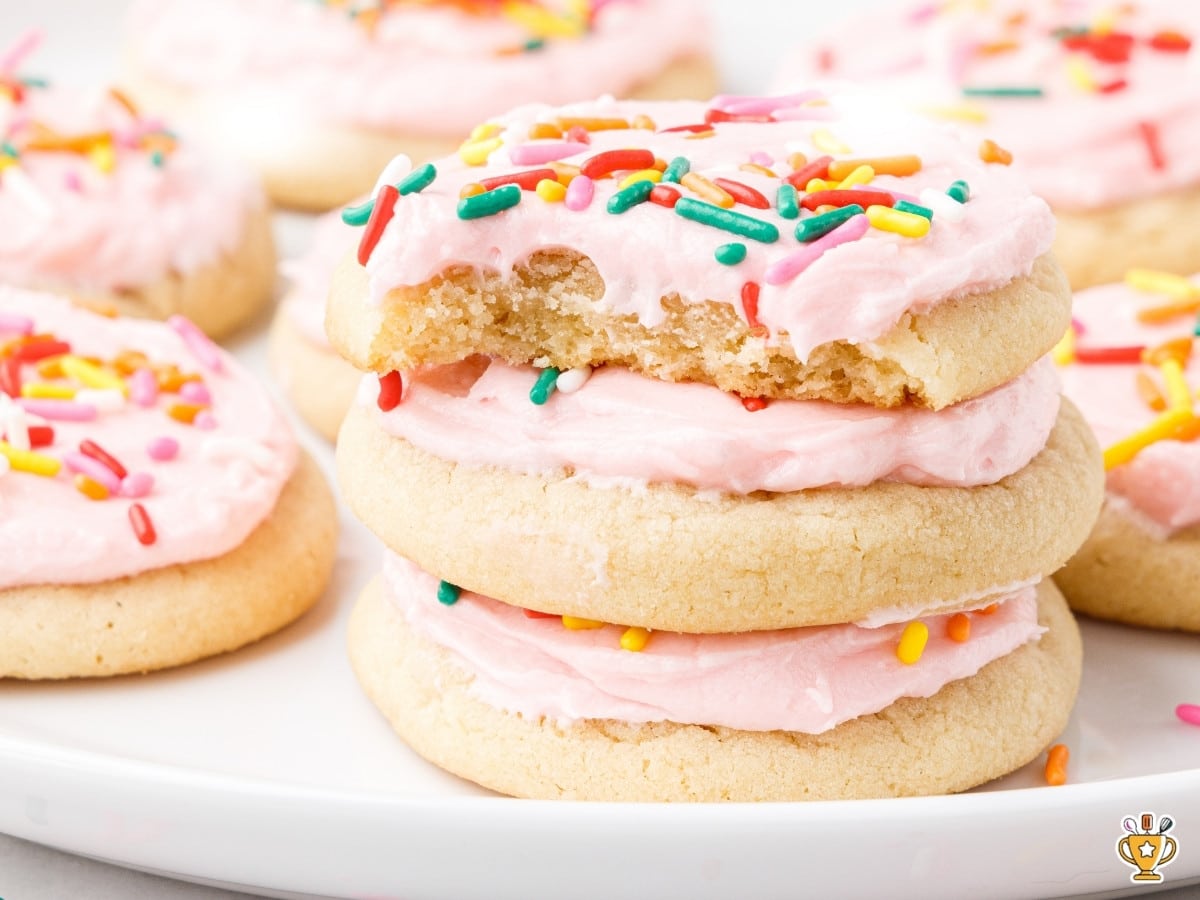
I'm pretty sure I've perfected soft sugar cookies.
After developing sugar cookie recipes for holidays, decorating, and everyday baking, this is the version I come back to when I want soft cookies that bake reliably.
After creating sugar cookie recipes for almost every holiday and occasion, I've learned a few things about what to do and what not to do.
Unlike my No-Spread Sugar Cookies, this dough is meant to spread while baking.
Just like my Lemon Sugar Cookies and my Valentine Cookies, this dough uses a classic creaming method, which helps build structure and keeps the cookies soft.
And, similar to my Soft Gingerbread Cookies, these are meant to stay soft rather than crisp, so they are baked just until the edges turn lightly golden.
It only takes a few small mistakes to end up with dry, hard sugar cookies, but I've made a simple recipe that also helps avoid every common error.
Common Sugar Cookie Problems (And How to Fix Them)
Even simple sugar cookie recipes can go wrong if a few small details are missed. These are the issues I see most often and the adjustments I've made that make the biggest difference.
Cookies spread too much - If cookies spread thin in the oven, the butter was likely too soft, or the dough was overmixed. Use butter that's soft but still cool to the touch, and mix the flour in just until combined.
Cookies turn out dry or crumbly - This usually happens when too much flour is added, or the cookies bake too long. Measure the flour carefully and pull the cookies from the oven when the edges are just starting to turn lightly golden.
Cookies don’t spread enough - If the dough is too cold or too firm, the cookies may stay thick. Gently press the dough balls down slightly before baking to help them spread evenly.
Cookies are dense instead of soft - Proper creaming is important here. Beat the butter and sugars long enough that the mixture becomes noticeably lighter in color and texture before adding the eggs.
Cookies lose their softness quickly - Overbaking is the most common cause. These cookies should still look pale on top when they come out of the oven. They'll continue to set as they cool.
Ingredients For Soft Sugar Cookies
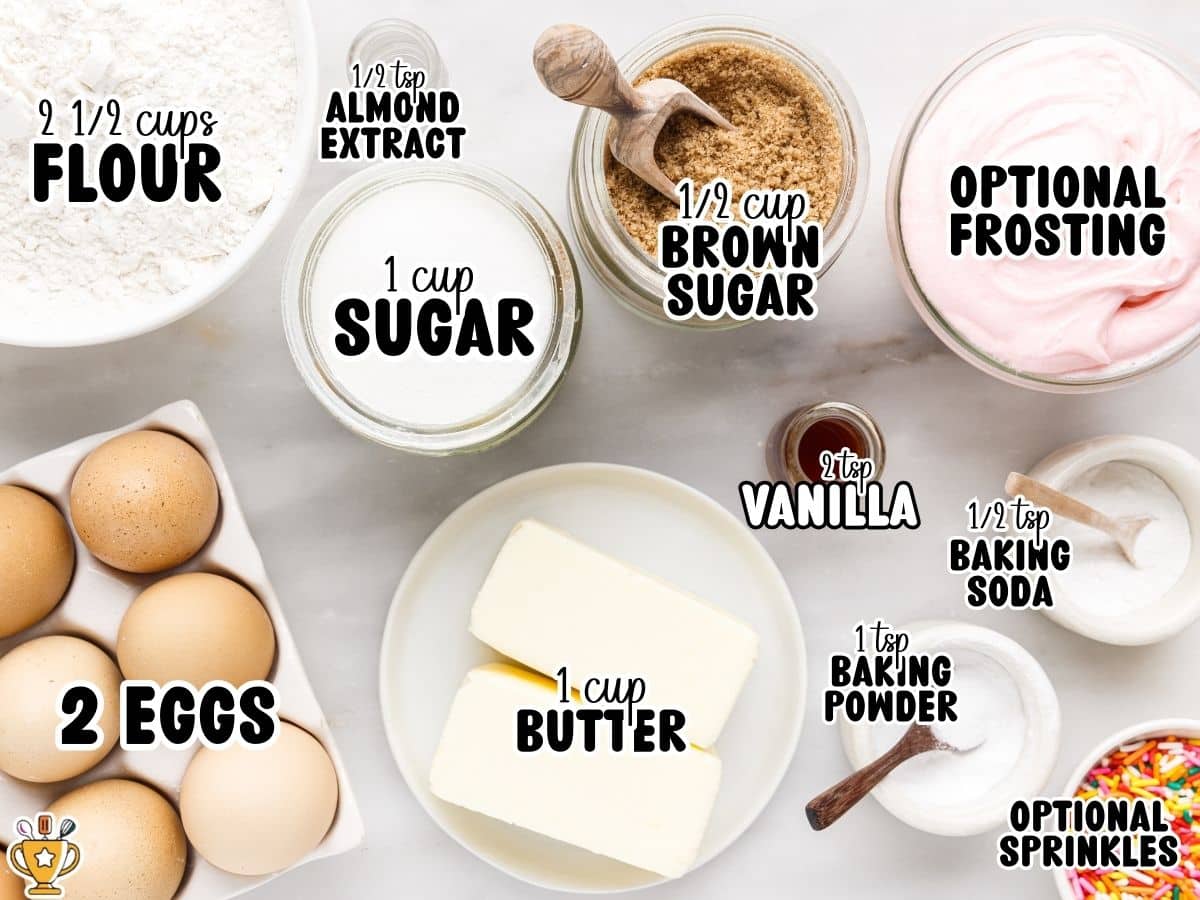
Ingredient Notes
Sugar cookies are simple, which means small details like ingredient temperature and measurements matter more than you might expect.
Butter - Softened butter is important for proper creaming. It should be soft enough that your finger leaves a slight indent when pressed, but doesn't look oily.
Granulated sugar and brown sugar - This is the real secret - using both sugars creates balance. Granulated sugar helps the cookies spread slightly, while brown sugar adds moisture and keeps the centers soft.
Egg + egg yolk - The extra egg yolk adds richness and helps create my signature soft, tender texture.
Optional frosting and sprinkles - These cookies are soft and flavorful on their own, but they also work beautifully with a simple frosting and colorful sprinkles if you want a classic bakery-style finish.
How to Make The Best Soft Sugar Cookies
1. Measure the dry ingredients carefully. Measuring flour carefully matters here. Too much flour can make sugar cookies dry or prevent them from spreading properly.
How To Properly Measure Flour
Flour is one of the easiest ingredients to accidentally overmeasure. Instead of scooping directly from the bag, spoon the flour into the measuring cup and level it off with a knife.
Too much flour can make sugar cookies dry or prevent them from spreading properly.
Whisk the dry ingredients well to distribute the baking soda and baking powder through the entire mixture.
2. Cream the butter and sugars until the color changes. Don’t stop mixing too soon. When the butter and sugars are properly creamed, the mixture becomes lighter in color and fluffier, which helps create a softer cookie. Aim to beat the mixture for three to four minutes.
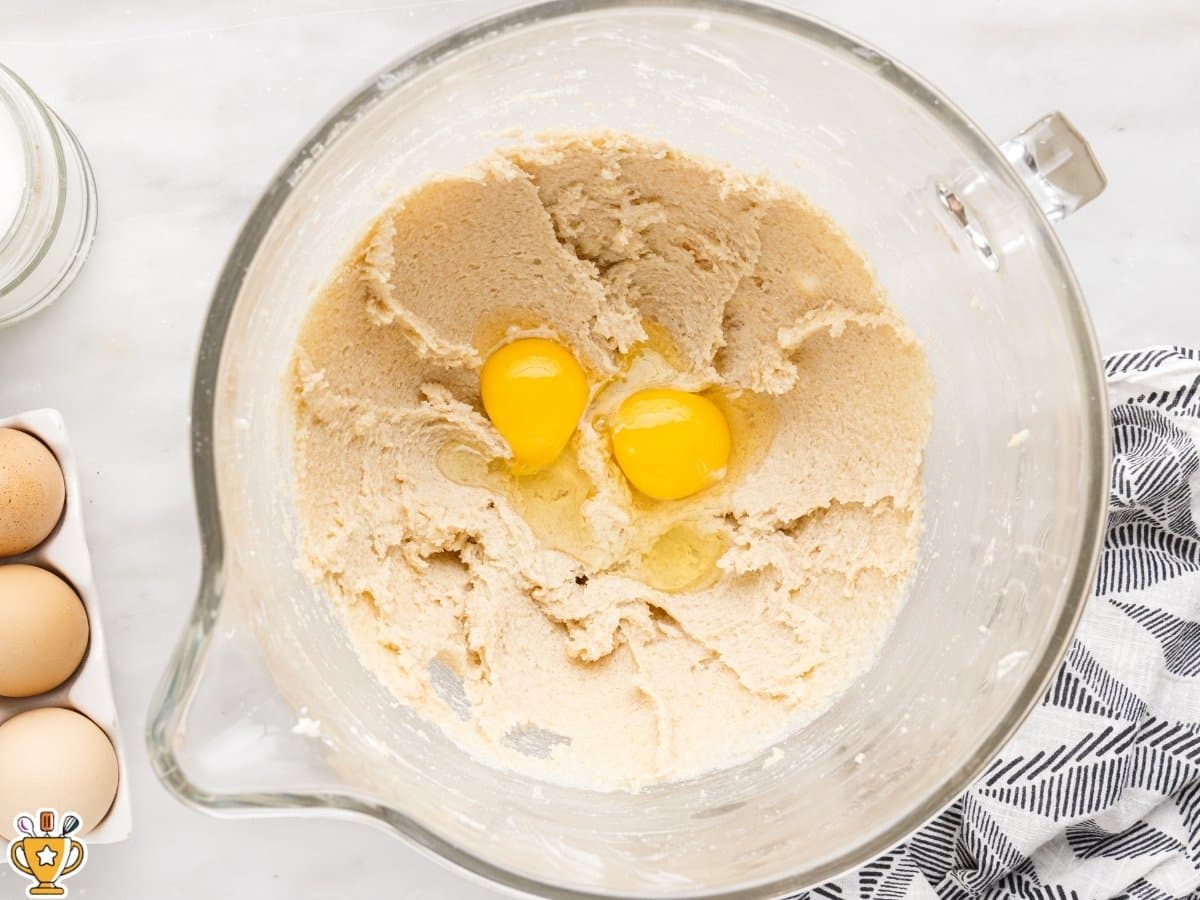
When it's ready, add the eggs.
3. Add the eggs. I use one egg plus an extra yolk. The extra yolk adds richness and moisture, which helps the cookies stay tender for days after baking.
4. Add the flour in two stages. Mixing the dry ingredients in two additions helps the dough come together evenly without overworking it.
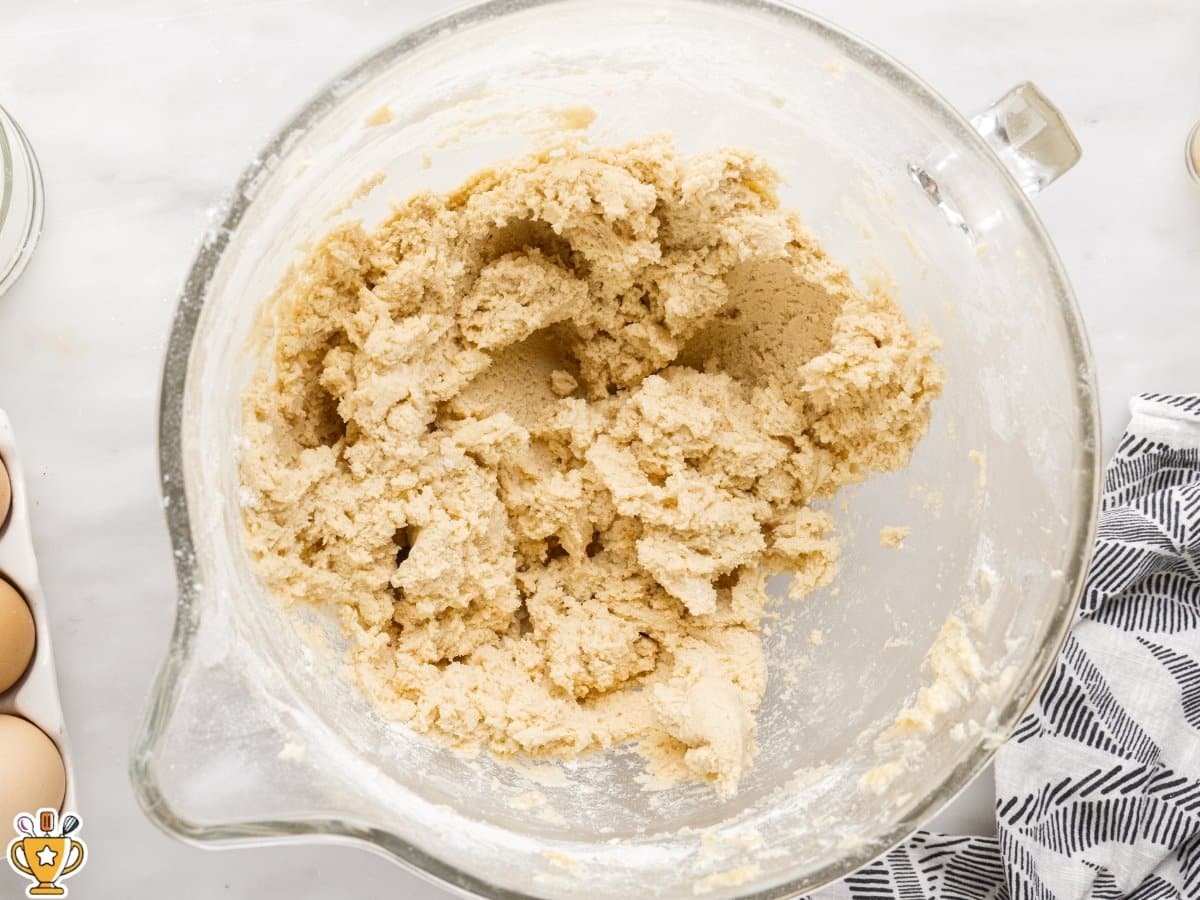
5. Roll smooth dough balls. Roll the dough briefly between your hands to create smooth cookies that spread evenly as they bake.
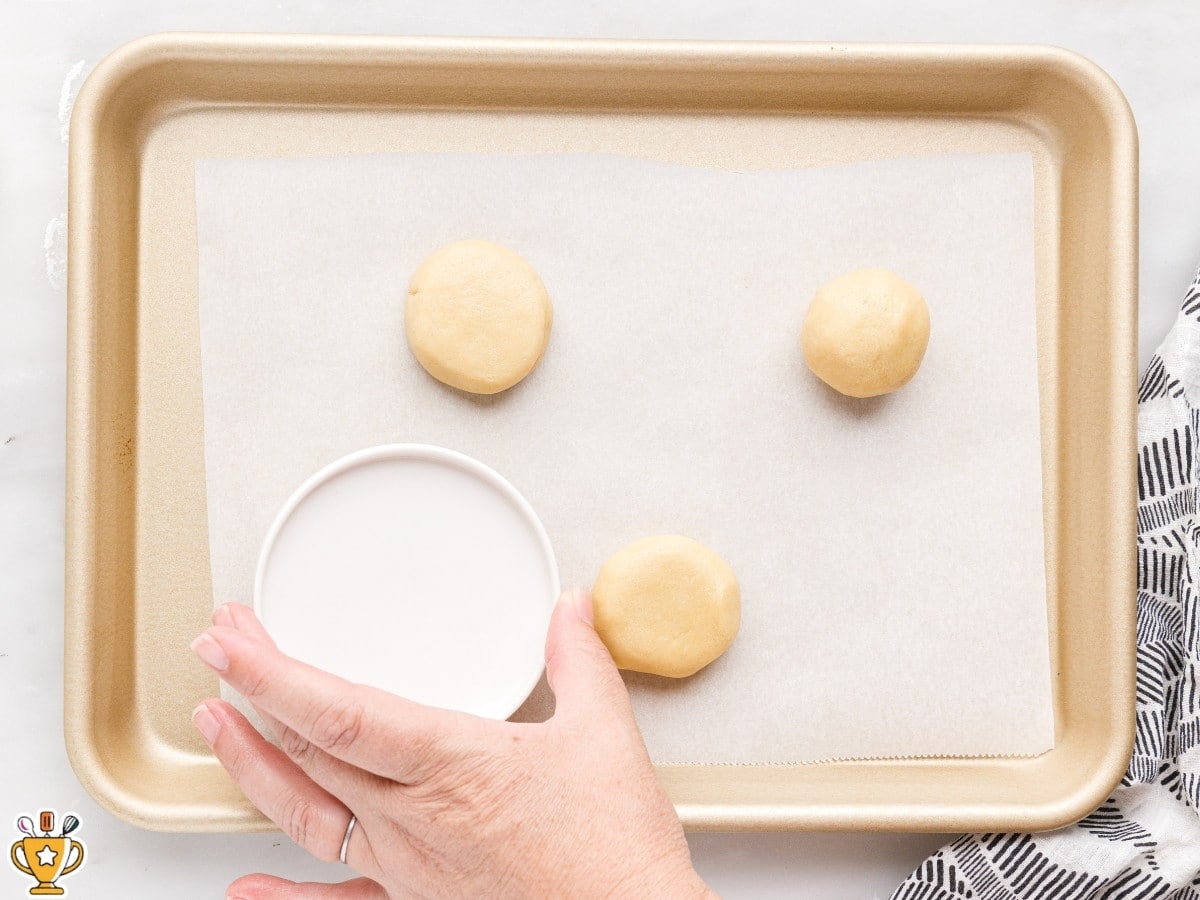
6. Place the cookies in the oven to bake. Pull the cookies out while they still look pale on top.
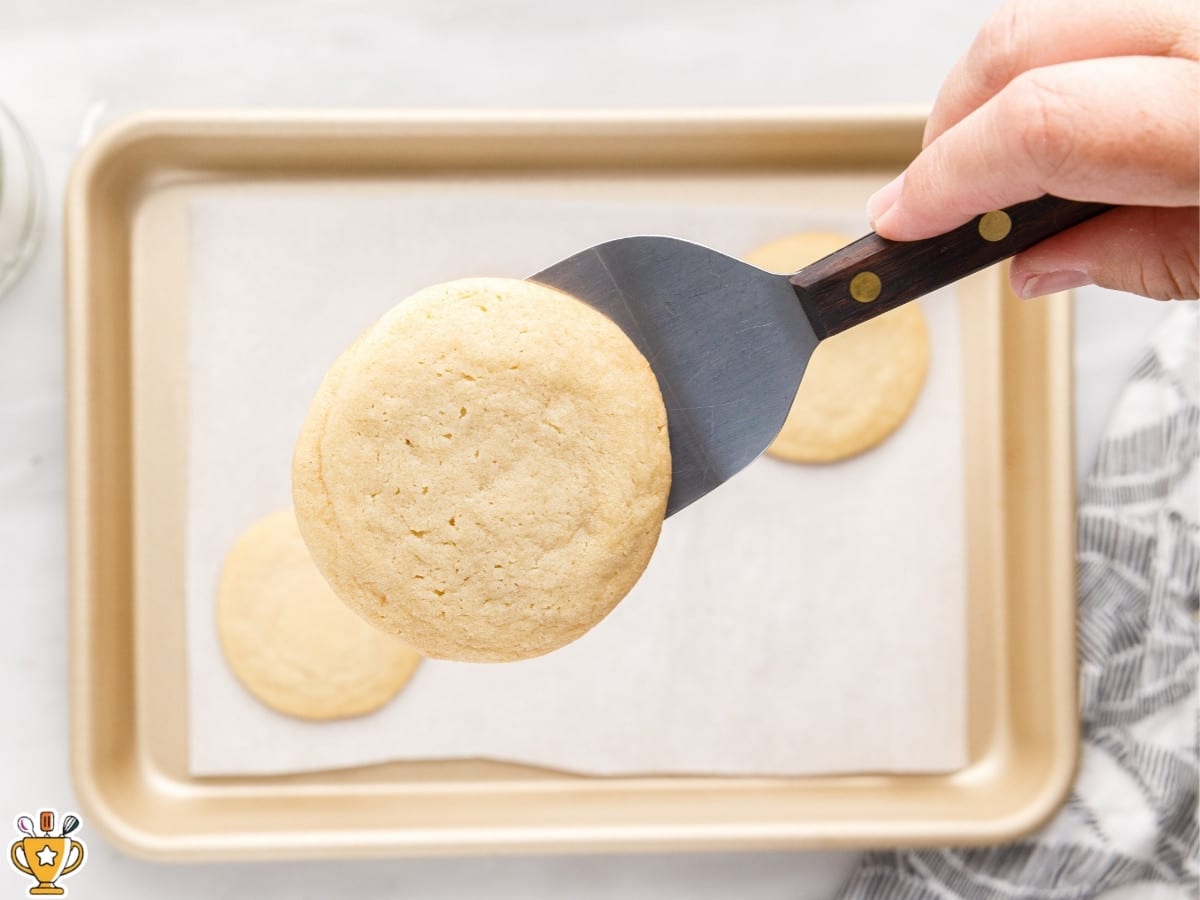
How to Tell When Sugar Cookies Are Done
Sugar cookies can be tricky because they often look slightly underbaked when they are actually finished.
Look for these signs:
• The tops should still look pale and matte, not golden
• The bottom edges will just begin turning lightly golden
• The centers will feel soft but set when gently touched
The cookies will continue to firm up as they cool on the baking sheet, which helps keep the centers soft.
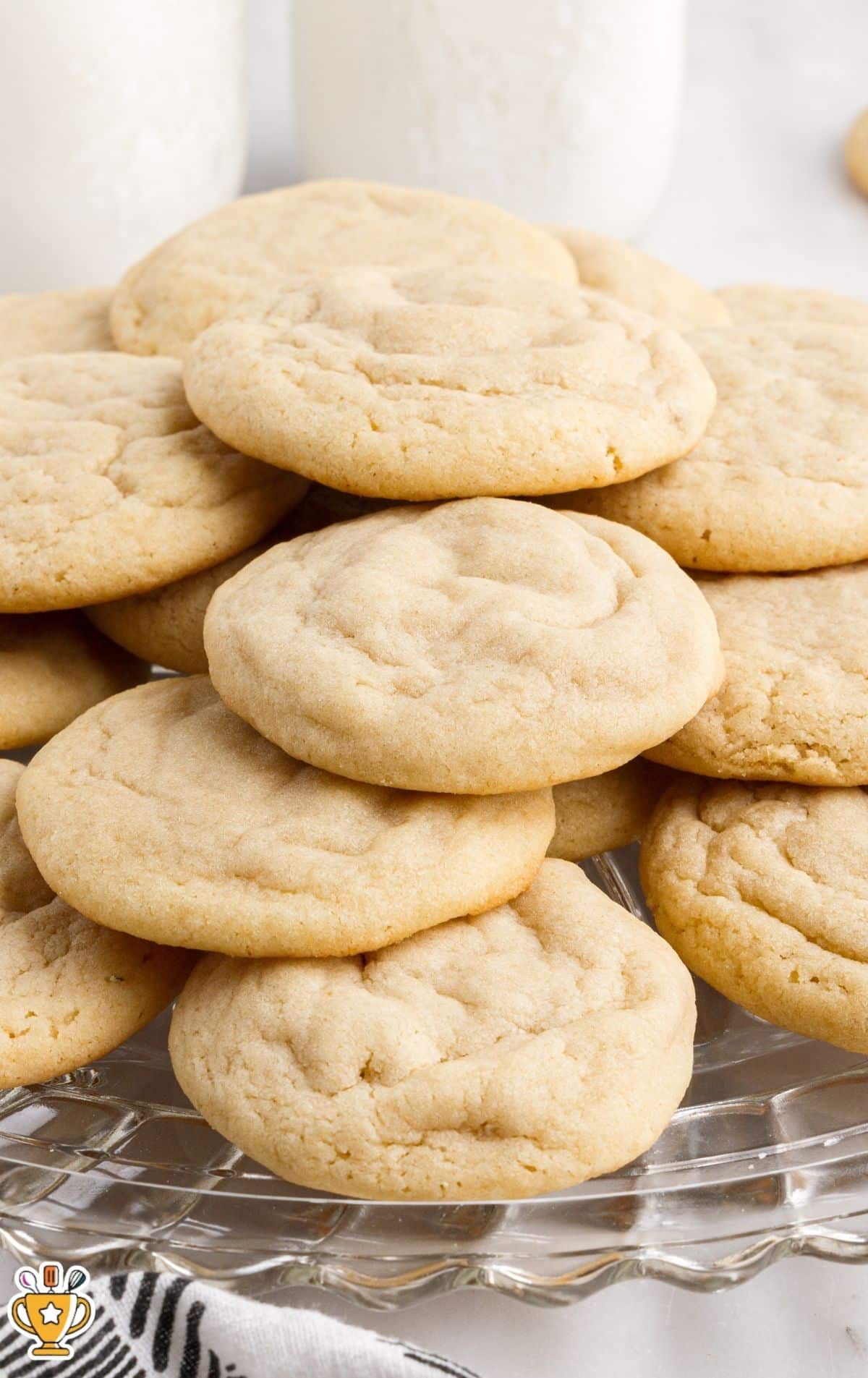
Storing Soft Sugar Cookies
Room Temperature
Soft sugar cookies store well for several days if kept properly.
• Store frosted or unfrosted cookies in an airtight container on the counter
• They will stay soft for about 3 to 4 days
• Separate layers with parchment paper if you frost them.
Avoid refrigerating unless necessary, as it can dry the cookies out.
Freezing Instructions
Both the baked cookies and the dough freeze well.
To freeze baked cookies:
Let cookies cool completely, then freeze in an airtight container for up to 2 months.
To freeze cookie dough:
Roll the dough into balls and freeze on a baking sheet. Once frozen, transfer to a freezer bag and store for up to 2 months. Let the dough balls thaw in the fridge, spread out on a cookie sheet, then bake as directed.
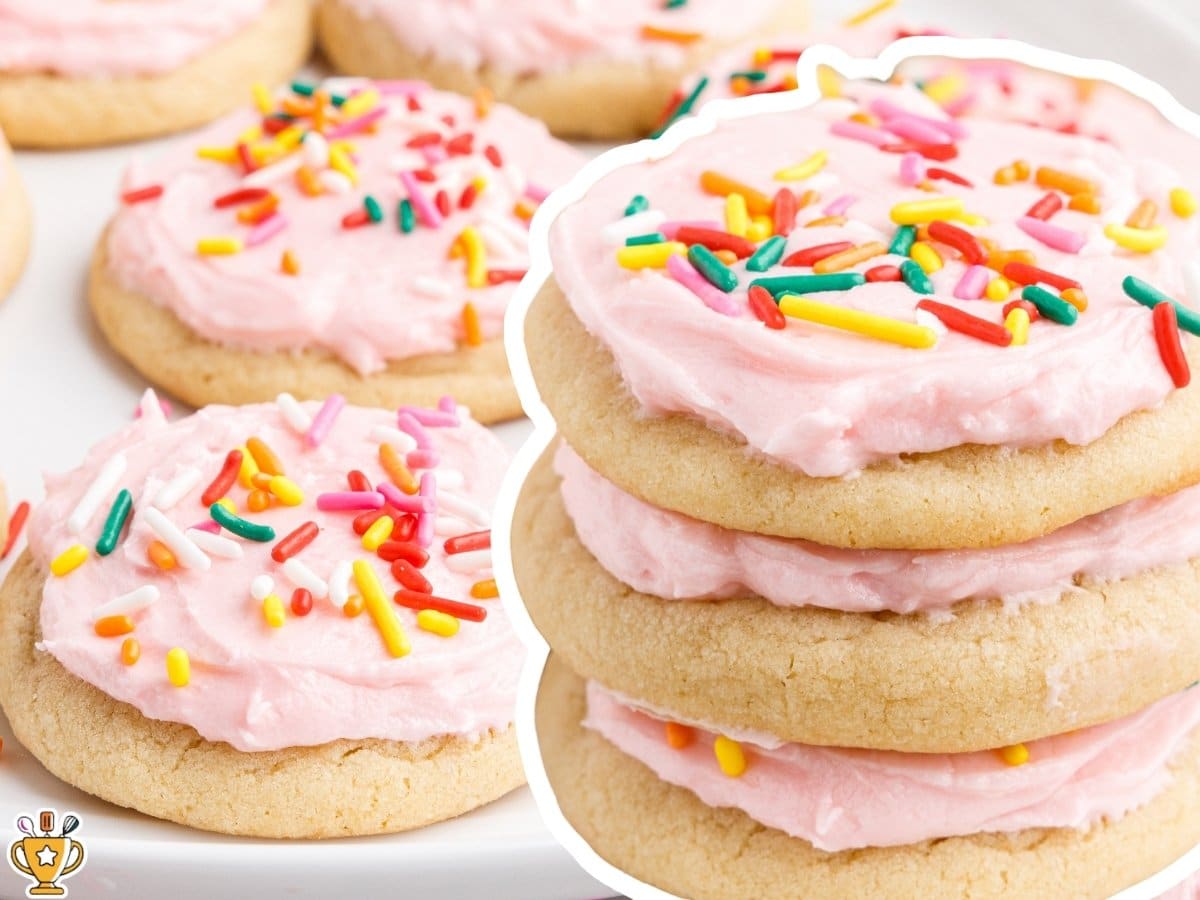
Frosting Ideas
These soft sugar cookies are delicious on their own, but they also work beautifully with frosting. Try them with:
- lemon or blueberry buttercream
- cream cheese frosting (lightly dyed pink, or your favorite color)
- cinnamon frosting (especially cozy in the fall or for winter holidays)
Use sprinkles to give your cookies a holiday touch, or serve for a birthday treat.


Softest Sugar Cookies
This soft sugar cookie recipe consistently produces soft, tender cookies with the classic bakery-style texture. The balanced dough spreads just enough while staying soft in the center.
Did you try this recipe?Let our readers know how it turned out by Leaving a Review!
Ingredients
- 1 cup salted butter (softened)
- 1 large egg (room temperature)
- 1 egg yolk (room temperature)
- 1 cup granulated sugar
- ½ cup light brown sugar (packed)
- 2 ½ cups all-purpose flour
- ½ teaspoon baking soda
- 1 teaspoon baking powder
- ½ teaspoon almond extract
- 2 teaspoons vanilla extract
- frosting and sprinkles (optional)
DIRECTIONS
- Preheat oven to 350°F. Line a cookie sheet with parchment paper and set aside.
- Whisk together the flour, baking soda, and baking powder. Set aside.
- Use a stand mixer or hand mixer to beat the butter until light and fluffy. This should take about 1 minute.
- Add the vanilla and almond extracts, granulated sugar and bpacked rown sugar. Beat in until well combined.
- Add the egg and egg yolk. Beat for 3-4 minutes on high speed. Be sure to scrape down the sides of the bowl occasionally. Watch for the mixture to become light and fluffy.
- Add ½ of the flour mixture and beat in on low speed just until combined.
- Add the other half of the flour mixture and beat in until combined. Don't overmix - stop when combined.
- Scoop 2 ½ tablespoon size balls of cookie dough. Roll between your fingertips to form smooth balls.
- Place balls on prepared sheet pans, spaced 2 inches apart. Press down the center of the ball, just slightly.
- Bake for 8-9 minutes or until cookies have just slightly golden around the bottom edges and are pale and set on top.
- Remove from the oven, and allow them to cool for 3-4 minutes. Transfer to a cooling rack to finish cooling.
- Once cooled completely, you can choose to serve as-is, or frost the cookies and garnish with sprinkles.
Notes
- Use room temperature butter and eggs for proper creaming and a smooth dough.
- Measure flour carefully by spooning it into the measuring cup and leveling it off. Too much flour can make the cookies dry or prevent them from spreading.
- Cream the butter and sugars until the mixture becomes noticeably lighter in color and fluffy. This step helps create a softer cookie texture.
- Do not overmix once the flour is added. Mix just until the dough comes together to keep the cookies tender.
- Bake just until the edges begin to turn lightly golden while the tops remain pale. The cookies will continue to set as they cool.
Nutrition
Calories: 171kcal | Carbohydrates: 23g | Protein: 2g | Fat: 8g | Saturated Fat: 5g | Polyunsaturated Fat: 0.4g | Monounsaturated Fat: 2g | Trans Fat: 0.3g | Cholesterol: 35mg | Sodium: 88mg | Potassium: 43mg | Fiber: 0.4g | Sugar: 13g | Vitamin A: 257IU | Calcium: 17mg | Iron: 1mg
HAVE YOU TRIED THIS RECIPE?Follow me on Pinterest @bestblogrecipes

Comments
stephanie says
Super delicious. Really like good bakery-style cookies. Thanks!